
Singapore’s real estate market is one of the most dynamic and sought-after in the world, and within this market, landed houses hold a special allure. For many, owning a landed house in Singapore represents the pinnacle of property ownership, offering space, privacy, and the potential for long-term capital appreciation. However, navigating the process of purchasing, understanding the different types of landed properties, and knowing how many landed houses are available can be complex.
This post serves as a summary guide to everything you need to know about landed houses in Singapore. It will also link you to more detailed posts on specific aspects, including the process of buying a landed house, the different types of landed properties available, and an overview of the landed housing market.
Introduction to Landed House in Singapore
A landed house in Singapore refers to a property where the owner has title to both the building and the land on which it stands. Unlike condominiums or HDB flats, where the ownership is limited to the space within the walls of the unit, landed property owners enjoy full rights over the land, including the freedom to rebuild, renovate, or expand the house (subject to Urban Development Authority regulatory approvals).
Landed houses in Singapore are typically more expensive and less common than other types of residential properties, which makes them highly desirable. They offer more space, both indoors and outdoors, and are often located in prestigious neighbourhoods.
Types of Landed Houses in Singapore
Landed properties in Singapore come in various types, each offering different features, sizes, and price ranges. Understanding the differences between these types can help you make a more informed decision when purchasing a property.

Terrace Houses
- Definition: Terrace houses, also known as row houses, are a series of identical homes that share common walls with neighbouring units on both sides. These homes are typically arranged in a row, hence the name.
- Features: They usually have two to three stories, a small garden or backyard, and a car porch. While they offer less privacy compared to other landed properties, terrace houses are often more affordable.
- Price Range: Prices for terrace houses can range from S$2 million to S$10 million, depending on the location and size.
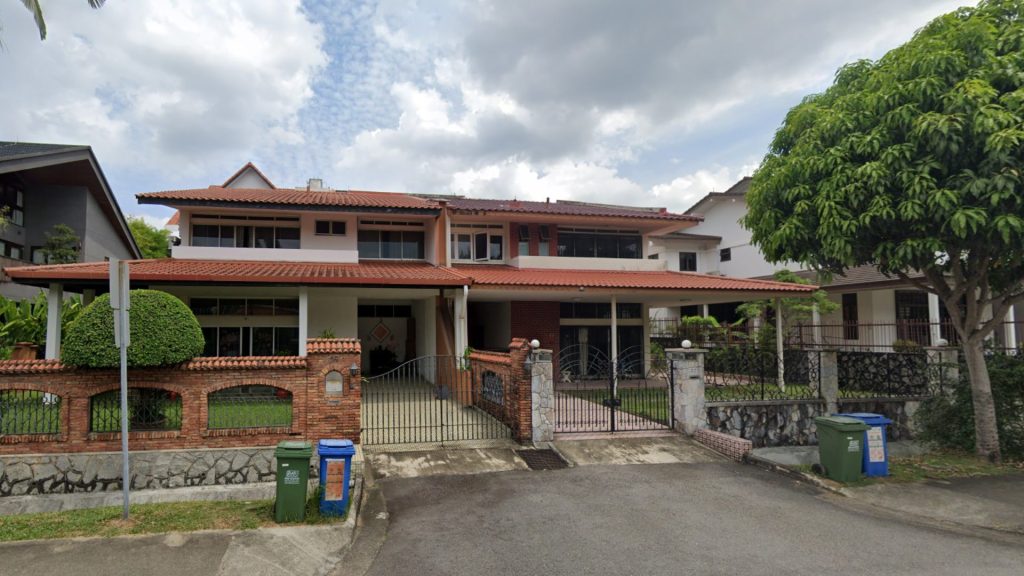
Semi-Detached Houses
- Definition: A semi-detached house, or semi-D, is a pair of houses that share a common wall, with each unit occupying one side of the pair. This type of property offers more privacy and space than a terrace house.
- Features: Semi-Ds typically have larger land areas, more garden space, and more flexibility for extensions or renovations.
- Price Range: Semi-detached houses are priced between S$3 million and S$15 million, depending on the location and size.

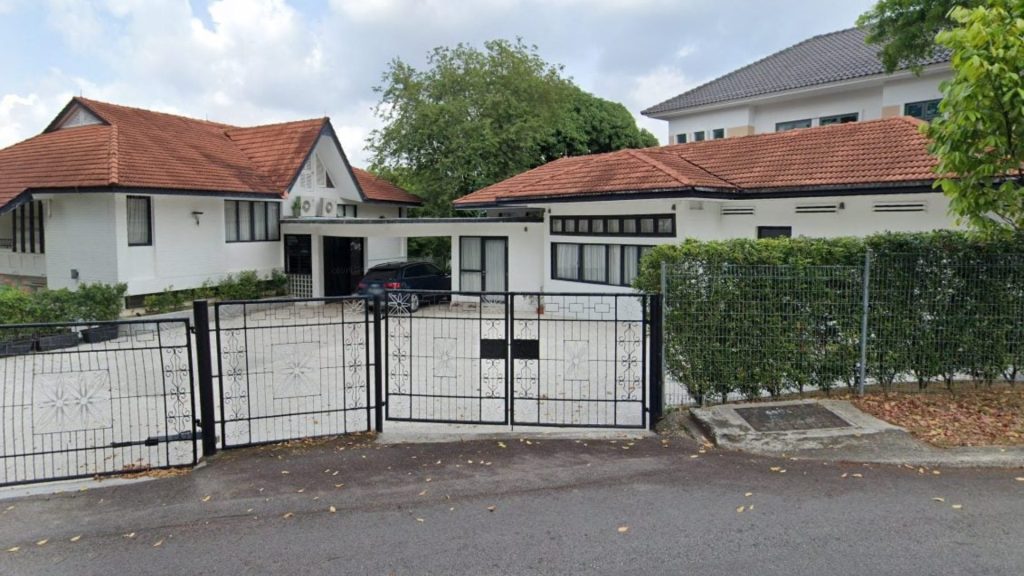
Detached Houses (Bungalows)
- Definition: Detached houses, commonly referred to as bungalows, are standalone homes that do not share walls with any other property. These are the most exclusive and private type of landed property.
- Features: Bungalows come with larger land areas, extensive gardens, and ample space for customisation. They offer the highest level of privacy and are often located in prestigious areas.
- Price Range: The price of a bungalow starts at around S$5 million, depending on the location and size.
Good Class Bungalows (GCBs)
- Definition: Good Class Bungalows represent the epitome of luxury living in Singapore. These exclusive properties are located in designated areas and are subject to specific planning constraints to maintain their exclusivity.
- Features: GCBs are characterised by large plots of land, extensive gardens, and spacious interiors. They are often located in prime districts such as Bukit Timah, Nassim, and Holland Road.
- Price Range: GCBs are the most expensive residential properties in Singapore, with prices often starting at S$20 million and going up to S$100 million or more.
For a more detailed breakdown of each type of landed property, you can read our post on Types of Landed Houses in Singapore.
Buying a Landed House in Singapore
Purchasing a landed house in Singapore is a significant financial commitment and requires careful planning and consideration. From understanding the costs involved to navigating the legal processes, buying a landed property can be complex, especially for first-time buyers.
Eligibility and Financing
- Eligibility: Not everyone can purchase landed property in Singapore. Foreigners, for example, are subject to certain restrictions and require approval from the Singapore Land Authority (SLA) to buy landed property. Permanent residents and Singapore citizens have fewer restrictions.
- Financing: The financing process involves securing a mortgage loan, which typically covers up to 75% of the property value. The remaining 25% must be covered by the buyer through a combination of cash and CPF savings. It’s important to factor in additional costs such as stamp duties, legal fees, and maintenance when planning your budget.
Down Payment and Loan Structure
- The down payment for a landed house is typically 25% of the property price, with at least 5% payable in cash. The rest can be financed through a loan, subject to the Total Debt Servicing Ratio (TDSR) framework, which limits the portion of your income that can be used for debt repayment.
- Interest rates for property loans in Singapore vary but typically range between 2% to 3% (as of August 2024). Loan tenures can be up to 35 years, depending on your age and the bank’s policies.
Legal Process and Stamp Duties
- The legal process involves engaging a lawyer to conduct the necessary searches, prepare the sale and purchase agreement, and handle the transfer of ownership. It’s crucial to ensure that all paperwork is in order to avoid legal complications down the line.
- Stamp duties are a significant additional cost. Buyers are required to pay Buyer’s Stamp Duty (BSD) and, in some cases, Additional Buyer’s Stamp Duty (ABSD) depending on their residency status and the number of properties they own.
Inspection and Valuation
- Before finalising the purchase, it’s advisable to conduct a thorough inspection of the property to identify any potential issues that may require repairs or renovations. A professional valuation is also essential to ensure that you’re not overpaying for the property.
For a step-by-step guide to purchasing a landed property, visit our post on Buying a Landed House in Singapore.
How Many Landed Houses Are There in Singapore?
Landed houses make up a small percentage of the total housing stock in Singapore, which is dominated by high-rise apartments and HDB flats. The scarcity of land in Singapore makes landed properties particularly rare and valuable.
Number of Landed Houses
- As of recent estimates, there are approximately 73,000 to 75,000 landed residential properties in Singapore. This includes terrace houses, semi-detached houses, bungalows, and Good Class Bungalows.
- The limited supply of landed houses contributes to their high prices, and the government tightly controls the availability of land for such developments.
Location Distribution
- Landed properties are primarily located in established residential areas across the island. Some of the most popular districts for landed homes include Bukit Timah, Holland, Orchard, East Coast, and Seletar.
- Good Class Bungalows, the most exclusive type of landed property, are located in designated GCB areas, which are spread across 39 neighbourhoods in Singapore.
Future Trends
- The number of landed properties in Singapore is unlikely to increase significantly in the future due to land constraints and the government’s focus on high-density housing to maximize land use. This makes existing landed houses even more valuable as they become increasingly rare.
For more detailed information about the availability and distribution of landed houses in Singapore, you can refer to our post on How Many Landed Houses in Singapore.
Advantages of Owning a Landed House in Singapore
Owning a landed house in Singapore comes with several advantages, making it a coveted asset for homeowners and investors alike.
Space and Privacy
- Landed houses offer significantly more space compared to apartments and condominiums. This includes larger living areas, multiple bedrooms, and outdoor spaces such as gardens and courtyards.
- The increased privacy of a landed house is a major draw, as you do not share walls with neighbours and have more control over your environment.
Customisation
- Owning a landed house gives you the freedom to customize and renovate your property according to your preferences. Whether you want to expand the living space, add a swimming pool, or redesign the interior, the possibilities are endless.
- This flexibility also allows for the potential to increase the property’s value through strategic upgrades.
Investment Potential
- Landed houses in Singapore have shown strong capital appreciation over the years, making them a solid investment. Their scarcity and high demand ensure that they remain a valuable asset.
- Additionally, the rental market for landed houses is robust, especially among expatriates and high-net-worth individuals, providing a potential source of passive income.
Long-Term Family Home
- A landed house can serve as a long-term family home, offering a stable environment for children to grow up in. The larger space also allows for multigenerational living, which is becoming increasingly popular in Singapore.
Challenges of Owning a Landed House in Singapore
While there are many benefits to owning a landed house, there are also challenges to consider.
High Cost
- The cost of purchasing a landed house in Singapore is significantly higher than other types of properties. In addition to the high purchase price, maintenance and upkeep costs can also add up over time.
- Financing a landed house requires careful financial planning to ensure that you can comfortably manage the mortgage and other associated costs.
Maintenance Responsibilities
- Unlike living in a condominium, where maintenance of common areas is handled by the management, owners of landed houses are responsible for maintaining their property. This includes everything from landscaping and pest control to repairing wear and tear.
- These responsibilities can be time-consuming and costly, especially if you own an older property that requires regular upkeep.
Regulatory Restrictions
- Renovating or rebuilding a landed house in Singapore is subject to regulatory approvals. The Urban Redevelopment Authority (URA) imposes guidelines on aspects such as building height, plot ratio, and land use.
- It’s important to be aware of these restrictions before planning any major changes to your property.
Conclusion
Owning a landed house in Singapore is a dream for many, representing not just a place to live, but a significant investment in your future. These properties offer privacy, space, and the opportunity for customisation, making them highly desirable in Singapore’s competitive real estate market. However, with their high costs and maintenance responsibilities, it’s important to approach this investment with careful planning and a clear understanding of the financial and regulatory landscape.
Whether you’re considering buying your first landed house, upgrading to a larger property, or exploring the different types of landed homes available, being well-informed is key to making the right decisions. This guide has provided an overview of what you need to know about landed houses in Singapore, from the different types available to the steps involved in purchasing one, and the challenges that come with ownership.