
Introduction
For many, owning landed property in Singapore is a dream come true. It offers more than just a place to call home; it provides space, privacy, and long-term value. Landed properties offer a sense of freedom that high-rise apartments simply can’t, allowing homeowners to design and personalise their space to reflect their unique style and needs.
However, purchasing and maintaining a landed property comes with its own set of challenges. There’s a lot to consider, from choosing the right property type and understanding government regulations to navigating the financial commitments involved. Whether you’re stepping into the market for the first time or looking to upgrade to a larger home, it’s crucial to understand the different options available and what each entails.
This guide will walk you through the different types of landed property in Singapore, outlining their key features, market positioning, and factors to consider before making your decision.
Key Takeaways
- Landed properties offer long-term value: Owning a landed home in Singapore provides space, privacy, and the potential for appreciation, making it both a lifestyle choice and a solid investment.
- Different property types suit different needs: From terrace houses to Good Class Bungalows, each type of landed home varies in size, price, and exclusivity, catering to a range of buyers.
- Regulations and financing play a crucial role: Buyers must consider zoning laws, ownership restrictions, and financial commitments before making a purchase.
- Expert guidance simplifies the process: Working with experienced professionals can help streamline renovations and construction, ensuring a smooth journey from purchase to move-in.
Understanding the Types of Landed Property in Singapore
Singapore offers a wide array of landed properties, each with its own charm, space, and price point. Choosing the right one depends on various factors, including your space needs, budget, and long-term goals. Whether you’re after a cosy home or a luxurious retreat, there’s a landed property type that fits your vision. Let’s dive into the different types of landed properties in Singapore and explore what they have to offer. Definitions of each type of property is referenced from Urban Redevelopment Authority (URA) Landed Housing Guidelines.

1. Terrace Houses: What Makes Them Popular?

Definition
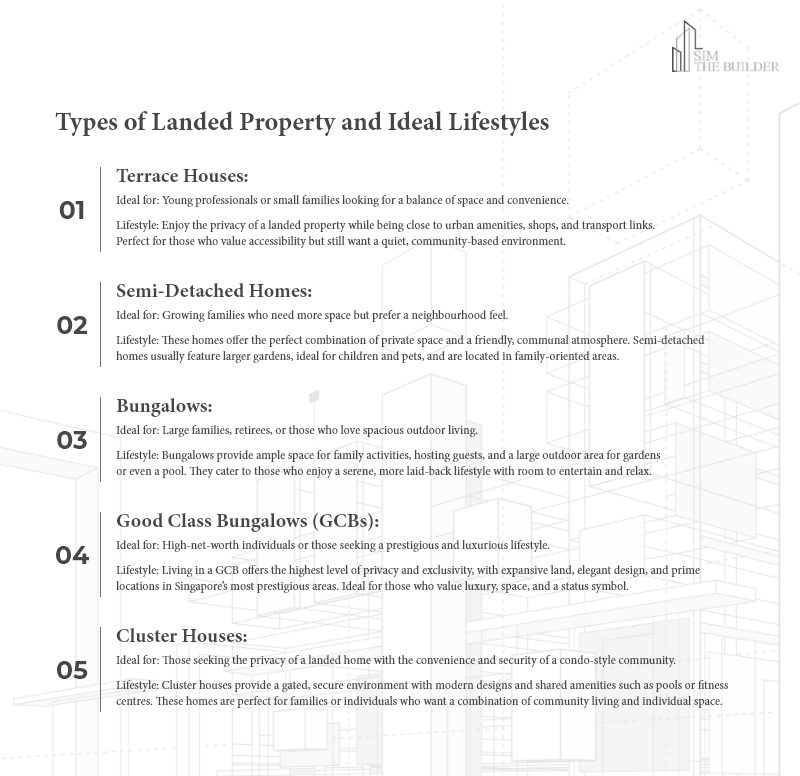
Terrace houses are rows of homes that share side walls with neighbouring units, creating a uniform and efficient use of land. Corner terrace houses stand out at the ends of these rows, offering more space, better ventilation, and increased natural light. When considering types of landed property in Singapore, terrace houses are a popular choice for many due to their practical design and affordability.
Key Features
Standard terrace houses often include small front and backyards, making the most of vertical space with multiple floors. Corner terrace houses provide more flexibility in design, with larger outdoor areas and additional windows for improved airflow. Whether you’re working with an A&A contractor for renovations or building from scratch, corner terrace houses allow more creative freedom in design.
Types of Terrace Houses
Terrace Type I:
These houses follow the standard road buffer requirements, meaning their placement and spacing must comply with established urban planning regulations.Terrace Type II:
These homes must adhere to specific setback rules: 2 metres from the road for the main building and 1 metre for roof eaves. They are also required to be within designated terrace housing enclaves.
Market Position
Terrace houses are among the most affordable landed properties, though corner units tend to command a premium due to their added space and exclusivity.
Ownership Regulations
Homeowners must follow zoning laws and land size regulations, but terrace houses allow for reasonable modifications under the Urban Redevelopment Authority (URA) guidelines.
2. What Are Cluster Landed Houses?
Definition
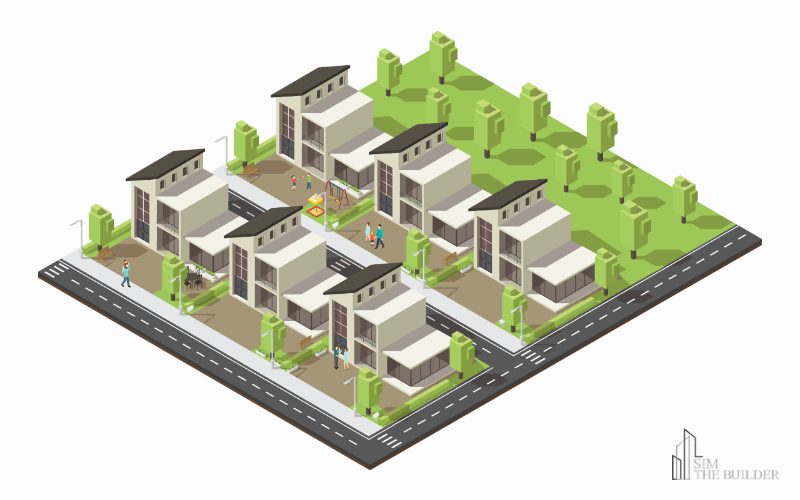
Cluster homes combine the best of both worlds, offering the privacy and space of a landed property with the convenience and shared amenities of a condominium. These homes are typically built within gated communities, where residents enjoy access to shared facilities like swimming pools, playgrounds, and landscaped gardens. Of the many types of landed property in Singapore, cluster landed houses offer a unique middle ground for those seeking the best of both options.
Key Features
Although cluster homes are smaller than traditional landed properties, they offer more privacy and space compared to high-rise apartments. Residents also enjoy security and a sense of community, making them ideal for those who want the benefits of both privacy and shared amenities.
Who Are They For?
Cluster homes are ideal for families or individuals who desire the sense of community and security that comes with living in a gated area yet still want the space and exclusivity that a landed property provides..
Market Position
Cluster homes are generally priced higher than standard terrace houses but remain more affordable than detached bungalows.
3. Semi-Detached Houses: A Balance of Space and Affordability

Definition
Semi-detached houses offer a unique balance of privacy and community, sharing one wall with a neighbouring property but typically occupying a larger plot of land than terrace houses. For those exploring types of landed property in Singapore, semi-detached homes strike the perfect middle ground. They offer the space of a larger home with the practicality and affordability of a shared wall, making them ideal for families seeking room to grow.
Key Features:
Semi-detached houses provide plenty of space, both inside and out. Most come with front and rear yards, offering homeowners the opportunity to create beautiful gardens or dedicated entertainment areas. This extra space also allows for greater flexibility in personalising the home to suit your needs, making it an ideal choice for families looking to make their house truly feel like home. With the option for more extensive renovations and customisation compared to terrace houses, semi-detached dwellings give homeowners more freedom to shape their space, especially when working with skilled contractors building bespoke designs.
Market Position
Sitting between terrace homes and bungalows in terms of price, semi-detached houses are popular among middle to upper-middle-class families. They offer a spacious living environment at a more affordable price point than detached homes, making them a desirable choice for many.
Ownership Rules
These homes allow for more flexibility in renovations compared to terrace houses. As long as the changes comply with URA guidelines, owners have more freedom to modify their homes to suit their needs.
4. What Is a Linked Bungalow?

Definition
Linked bungalows are a hybrid between semi-detached and detached houses. They are connected to another home by a small section of the structure, such as a garage, but retain most characteristics of a standalone bungalow, making them a unique option within the various types of landed property in Singapore.
Key Features
These homes offer more privacy and space than semi-detached houses while still being a more cost-effective option for those seeking the benefits of a detached home without the high price tag. With more design flexibility, linked bungalows allow homeowners to work with house builders to create a space that truly reflects their lifestyle.
Who Typically Buys Them?
Linked bungalows are ideal for homebuyers looking for a blend of exclusivity and practicality. They offer a comfortable balance with spacious layouts and larger gardens compared to semi-detached houses.
Market Trends
These houses are increasingly sought after by affluent buyers who want the prestige of a detached home at a slightly lower cost. They offer a unique blend of space, privacy, and potential for customisation.
5. Bungalows: The Ultimate Landed Home?
Definition
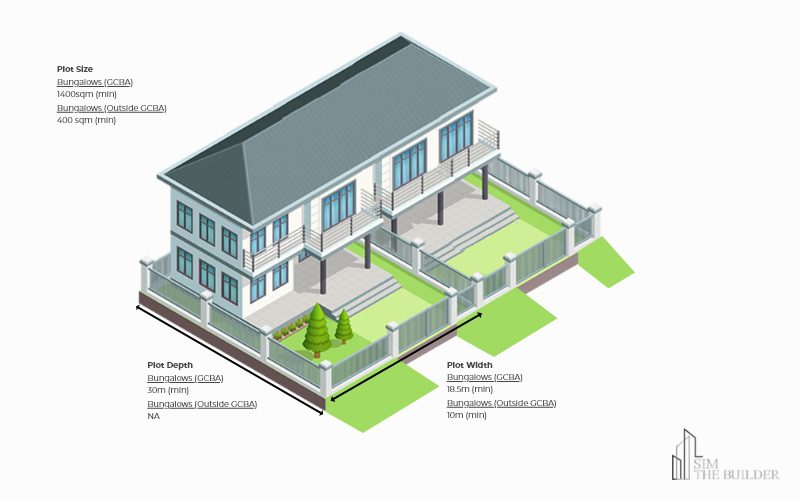
Bungalows, or detached houses, stand alone without sharing any walls with neighbouring properties, offering the highest level of privacy and space. As one of the many types of landed property in Singapore, they are considered the pinnacle of comfort, freedom, and exclusivity.
Key Features
With expansive front and backyards, bungalows offer homeowners the perfect canvas for landscaping, outdoor entertainment, or even future extensions. The ample space allows you to truly personalise your home, from the architectural design to the interior layout, giving you complete creative freedom within the boundaries of house construction regulations.
Market Position
Bungalows are among the most expensive properties in Singapore and are highly sought after by affluent buyers looking for space, privacy, and a luxurious lifestyle.
6. Good Class Bungalows: The Pinnacle of Luxury
Definition
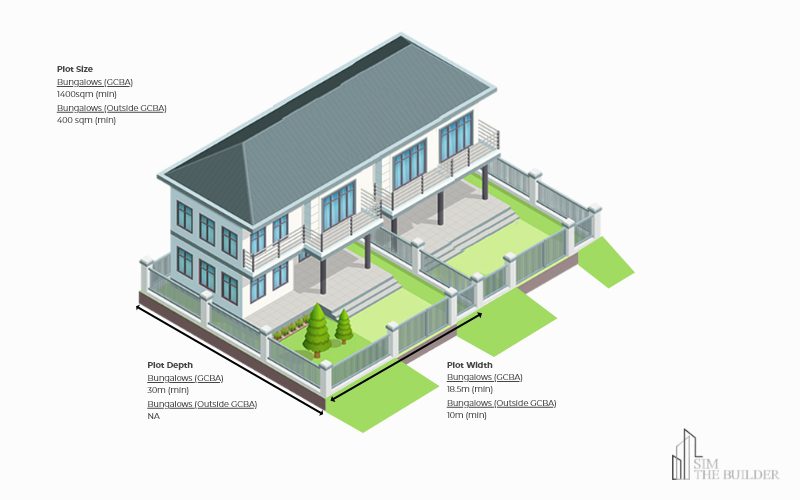
Good Class Bungalows (GCBs) are the epitome of exclusivity and luxury among the types of landed property in Singapore. These homes are highly coveted, set apart by their prestigious locations and strict regulations regarding land size and zoning.
Key Features
Nestled in prime areas like Bukit Timah, Nassim Road, and Tanglin, GCBs boast expansive plots of land, often featuring private swimming pools, meticulously landscaped gardens, and unique, custom-built architectural designs. These homes offer a level of grandeur that is unmatched by other types of landed properties.
Regulations
GCBs are restricted to Singapore citizens, and the land size must typically be at least 1,400 square metres. Strict zoning regulations help preserve the exclusivity and prestige of these properties.
Market Trends
GCBs remain in high demand among ultra-high-net-worth individuals, and their rarity ensures they continue to hold substantial value, making them the ultimate symbol of success and luxury in Singapore.
7. Shophouses: A Blend of Heritage and Modern Living
Definition
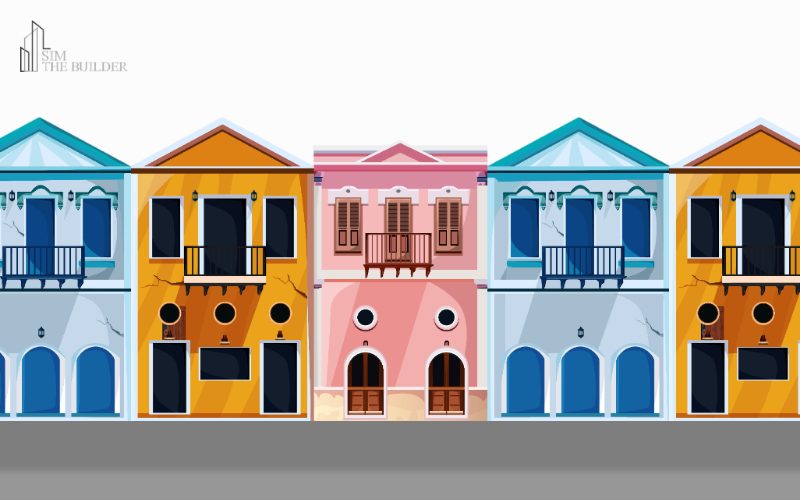
Shophouses are a distinctive category within the types of landed property in Singapore, blending residential and commercial spaces. These multi-storey buildings, often in heritage districts like Chinatown and Kampong Glam, are celebrated for their unique architectural charm and historical significance.
Key Features
Shophouses feature ornate facades, traditional wooden shutters, and intricate details. Many have been converted into stylish homes or boutique businesses, blending old-world charm and modern functionality.
Why Invest in a Shophouse?
Shophouses are highly sought after due to their prime locations and strong rental demand. Investing in a shophouse means owning a piece of history while benefiting from its potential for rental income.
Challenges
Renovations to shophouses must adhere to strict conservation guidelines, and maintenance can be more costly due to the age and structure of the building. However, the investment can be well worth it for those drawn to the unique blend of history and contemporary living.
8. What Makes Conservation Houses Unique?
Definition
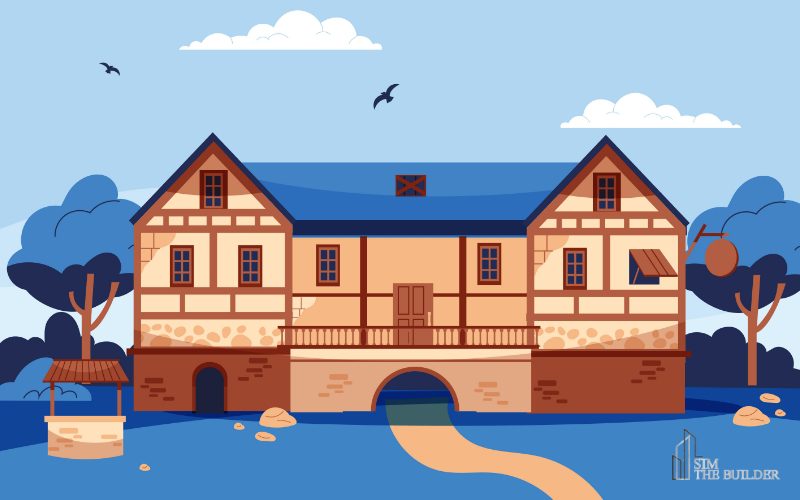
Conservation houses are part of Singapore’s heritage conservation programme, which ensures that these homes, nestled within the types of landed property in Singapore, maintain their historical and architectural significance.
Key Features
These homes are located in conservation areas like Emerald Hill and Joo Chiat. While the interior can be modernised, the exterior must retain its historic character, making them an attractive choice for buyers who appreciate cultural heritage.
Investment Potential
As the demand for heritage properties continues to rise, conservation houses have become highly sought after. They appeal to those who value cultural richness and exclusivity, making them an attractive investment for buyers with a passion for history and a flair for elegant living.
Each type of landed property in Singapore offers something unique, whether it’s a practical family home, a luxurious escape, or a piece of history. Understanding their differences will help you make an informed choice that aligns with your lifestyle, needs, and budget.
Why Do Some Landed Properties Not Follow URA Landed Housing Guidelines?
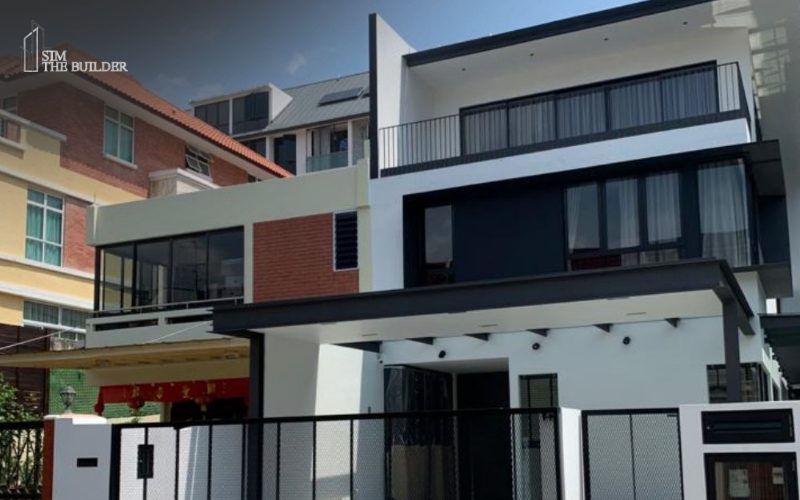
When exploring landed properties in Singapore, it is common to notice that some houses appear to differ from the standard guidelines published by the Urban Redevelopment Authority (URA). This often raises questions for homeowners who are planning to rebuild or redevelop their property.
In reality, these houses are not necessarily violating regulations. There are several legitimate reasons why certain landed homes may appear to fall outside current URA landed housing guidelines.
1. The House Was Built Before Current Guidelines Were Introduced
Planning guidelines evolve over time as Singapore’s urban planning policies change. Many landed homes were built decades ago under older regulations that were less restrictive than the ones in place today.
For example, past developments may have been approved with different requirements for:
- Building setbacks
- Plot coverage
- Building height
- Boundary walls
- Attic or basement configurations
These houses are considered existing approved developments and are legally allowed to remain as they are, even if they do not match today’s planning parameters.
2. The Property May Have Been Approved Under Special Planning Conditions
Some houses were granted planning approval under specific circumstances or unique site conditions. In such cases, URA may allow design deviations that still meet overall planning objectives.
Examples include:
- Corner plots with different setback conditions
- Irregular land shapes requiring alternative design solutions
- Houses located along roads with unique frontage conditions
- Plots within specific planning zones or neighbourhood character areas
These approvals are typically assessed on a case-by-case basis by URA.
3. The House Was Approved Through an Older Planning Submission
If a house obtained planning permission many years ago, it would have been approved based on the regulations in effect at that time. Even if URA updates its guidelines later, existing approvals remain valid.
This means the property may legally retain features that are no longer allowed for new developments.
However, if the owner decides to rebuild or significantly alter the house today, the new design will usually need to comply with the latest URA landed housing guidelines.
4. The Property May Be Located in a Different Planning Control Area
Not all landed housing areas in Singapore follow identical planning controls. Some neighbourhoods fall under special planning zones such as:
- Good Class Bungalow Areas (GCBA)
- Conservation Areas
- Street Block Plan Areas
- Special Housing Areas
Each of these zones may have different planning parameters, which can make the houses appear inconsistent when compared with standard landed housing guidelines.
5. Minor Renovations Do Not Always Trigger Full Compliance
Some visible differences may come from renovations rather than full redevelopment. Certain minor works may not require a complete redesign under current planning rules.
Examples may include:
- Internal layout changes
- Minor extensions within allowable limits
- Renovation of existing structural elements
Because the core structure of the house remains approved, these properties may continue to appear different from newly built houses.
6. Key Takeaway
If a landed house appears not to follow URA landed housing guidelines, it usually means that the property was approved under earlier regulations, special planning considerations, or a different planning zone. These houses remain legally compliant because their approvals were granted under the rules that existed at the time.
However, homeowners planning to rebuild or carry out major alterations will typically need to comply with the latest URA planning guidelines and obtain the necessary approvals before construction begins.
Factors Affecting Landed Property Ownership
Landed properties in Singapore are a coveted choice, attracting interest for their space, privacy, and long-term value. However, their exclusivity and price make them particularly appealing to a select group of buyers. Various economic, social, and investment factors shape the demand, with each type of landed property offering distinct advantages for those ready to invest.
What is Driving the Demand for Landed Property?
Affluent Buyer Population
With the growth of Singapore’s upper-middle class, the demand for landed homes has risen. High-net-worth individuals (HNWIs), including business owners, professionals, and permanent residents, are drawn to these properties for the privacy, space, and prestigious lifestyle they offer.
Population Growth & Urbanisation
As Singapore’s population grows and urban areas become more crowded, landed properties offer families a rare opportunity to enjoy more space. With high-rise living becoming the norm, many buyers are now seeking homes that provide a better quality of life: places with gardens, private driveways, and personal outdoor spaces. The varied types of landed property in Singapore offer a range of options, catering to those looking for space, comfort, and a sense of exclusivity.
Long-Term Investment Potential
Landed homes are seen as a secure, appreciating asset. Their limited supply makes them particularly attractive. Unlike condominiums, where the value of the property is often affected by its leasehold tenure, many types of landed properties in Singapore, such as terrace houses, bungalows, and GCBs (Good Class Bungalows), are freehold, meaning they hold their value better over time. As a result, they are an appealing investment option for building wealth across generations, often regarded as a hedge against inflation.
Prestige and Status Symbol
Owning a landed property, especially a GCB or a luxury detached house, is a mark of social and financial success. These homes, among the most prestigious types of landed property in Singapore, are associated with exclusivity. Buyers are often attracted by the prospect of owning a home in Singapore’s most desirable districts, and the rarity of GCBs, restricted to Singapore citizens and limited to designated areas, only enhances their allure.
Beyond personal use, these properties often become family legacies; homes that are passed down through generations, cherished for both their sentimental value and financial stability. From semi-detached homes to GCBs, the diverse types of landed property in Singapore continue to attract interest, thanks to their lasting value and the enduring demand for space and privacy.
Questions You Might Have
Buying a landed property in Singapore is a significant investment, and it’s only natural for buyers to have questions about eligibility, financing, renovation rules, and the purchasing process. Whether you’re considering a terrace house, a semi-detached home, or a GCB, understanding these factors is key to making an informed decision. Being clear on the different types of landed property in Singapore will ensure you make the right choice.
1. What’s the minimum land size for a landed property in Singapore?
The minimum land size varies depending on the type of property. For example, a semi-detached house requires at least 200 sqm, while a GCB needs a much larger plot, typically a minimum of 1,400 sqm. If you plan to build or rebuild, check the Urban Redevelopment Authority (URA) guidelines to ensure the property meets zoning and size requirements.
2. Can foreigners buy landed property in Singapore?
Yes, foreigners can purchase landed property in Singapore, but the process is more complicated than buying a condominium. Approval from the Singapore Land Authority (SLA) is required under the Residential Property Act. This approval is typically granted to high-net-worth individuals or those who significantly contribute to the local economy, such as investors or Permanent Residents. Make sure you’re aware of these criteria when considering different types of landed properties.
3. How much do I need to finance a landed property?
Landed properties usually require a higher down payment than condos or HDB flats. Expect to contribute at least 25% of the property’s value, which can be paid using cash or CPF. You might need to contribute even more if you have an existing home loan. Banks also have stricter loan eligibility criteria for landed properties. So, it’s a good idea to speak with a mortgage advisor early to explore your financing options and understand what you can afford.
4. Is landed property a good investment in Singapore?
Landed properties in Singapore, such as terrace houses, semi-detached houses, bungalows, and GCBs, are often seen as sound investments due to their limited supply and strong long-term demand. These properties hold their value well, especially freehold options, which are highly sought after. However, factors like location, land size, and renovation potential play a key role in determining future value. Many view these types of landed homes as a safeguard against inflation, with prices rising as land in Singapore becomes scarcer.
5. Should I buy a new landed home or rebuild an old property from scratch?
Both options come with advantages. A new landed home offers the benefit of modern designs and move-in readiness, though it may come at a premium. Rebuilding an older property allows you to personalise every detail, but it often requires more time, effort, and careful management of the renovation process. If you decide to rebuild, partnering with a trusted builder in Singapore will help bring your vision to life while adhering to necessary regulations. Your decision will depend on your budget, timeline, and level of customisation you desire.

Conclusion
Purchasing a landed property in Singapore is a major achievement. One that offers more than just a place to live. It presents the opportunity to own a long-term asset that provides exclusivity, ample space, and the freedom to design a home that perfectly reflects your lifestyle. Whether you’re purchasing a brand-new landed home or planning to rebuild and customise an existing one, understanding the types of landed property in Singapore, financing options, and regulatory considerations will ensure you make a well-informed decision every step of the way.
At Sim The Builder, we understand that building and renovating landed homes is a significant endeavour. That’s why we focus on providing design and build contractor services tailored to busy individuals. With over a decade of experience and a dedicated team, we simplify every step of the process, saving you valuable time and money. Our commitment to quality craftsmanship and professionalism means we deliver exceptional results that meet your highest standards while giving you peace of mind.
Contact us today if you’re ready to transform your vision into reality. Let’s chat about how we can create a home that perfectly matches your needs and aspirations.