

Key Takeaways
- Land cost is a major factor: Prices vary by location, with prime districts exceeding S$10 million, while suburban areas range from S$2 million to S$5 million. Additional costs include stamp duties, legal fees, and land surveys.
- Design-and-Build services streamline costs: Engaging a company that manages both design and construction can be more cost-effective than hiring separate professionals, ensuring smoother coordination and fewer unexpected expenses.
- Construction expenses depend on materials and labour: Construction costs depend on factors like structural work, finishing materials, and labour. Opting for high-end materials can drive costs up, so careful selection is key.
- Regulatory approvals and project management are crucial: Compliance with URA and BCA regulations adds to costs, and having a 10-20% contingency fund helps handle unforeseen expenses during the build.
Introduction
Building a landed house in Singapore is more than just a financial commitment. It’s a journey of creating a home that reflects your vision and lifestyle. Whether you dream of a sleek, modern retreat or a grand, multi-storey haven, understanding the costs involved is key to making informed decisions. From securing land to navigating approvals and construction, every step comes with expenses that shape your budget.
If you’re exploring the design and build route, here’s a breakdown of what goes into the cost of building a house in Singapore and how to plan effectively.
What Goes Into the Cost of Land in Singapore?
Securing land is the first and most significant expense when building a home in Singapore. Prices fluctuate based on location, zoning regulations, and property type, making land selection a crucial part of the budgeting process.
- Core Central Region (CCR) & Rest of Central Region (RCR)
Prime districts like Orchard (District 9), Bukit Timah (District 10), and Newton (District 11) have some of the highest land prices. Properties here often exceed S$10 million, attracting high-net-worth buyers seeking exclusivity and prestige.
- Outside Central Region (OCR)
Suburban districts such as Serangoon (District 19) and Seletar (District 28) offer more affordable options, with land prices typically ranging from S$2 million to S$5 million, depending on size and proximity to amenities.
Beyond the purchase price, several hidden costs can add up quickly:
- Stamp duties (Buyer’s Stamp Duty and Additional Buyer’s Stamp Duty, where applicable)
- Legal fees for handling property transactions
- Land survey charges to assess boundaries and terrain
Accounting for these additional expenses from the outset helps prevent budget surprises down the road.
Read more: Buying a landed house in Singapore
How Much Should You Budget for Design and Consultancy Fees?
Before construction even begins, bringing your dream home to life requires the expertise of professionals. Architects and Engineers both shape the vision, ensuring structural integrity. Each playing a key role in creating a safe and beautifully designed home.
Some essential services include:
- Architectural design: Translating ideas into a functional and aesthetically pleasing layout. Done by an architect, designer, interior designer or a combination of any of the three.
- Structural engineering, Mechanical and electrical planning: Ensuring the building’s foundation and framework are safely planned out. Done by a Qualified Person (QP) who is a registered architect or a professional engineer (PE) who holds a valid practicing certificate. Both are responsible for ensuring compliance with building authorities.
Hiring these experts individually can quickly add up, increasing the cost of building a house in Singapore. These costs are inevitable, as it is required by law to engage these two experts to rebuild a house. A design-and-build company offers a more streamlined approach, integrating design and engineering under one roof. This helps improve coordination, reducing delays and inefficiencies that could impact your budget.
How Do Construction and Material Choices Affect Your Budget?
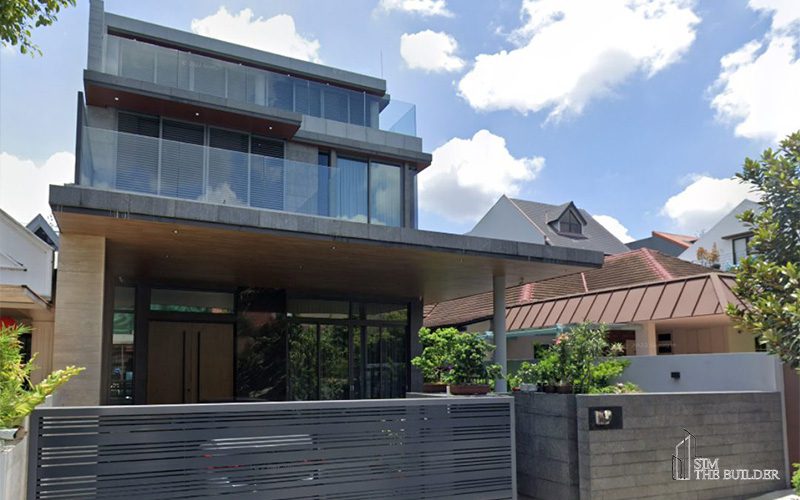
The bulk of your budget will go towards house construction, covering everything from the home’s foundation to the final touches. The cost of building a house in Singapore varies widely depending on materials, design complexity, and structural requirements.
Key cost components include:
- Foundation and structural work: Piling and reinforced concrete frameworks ensure stability and durability.
- Roofing and insulation: Built to withstand Singapore’s heat and humidity while improving energy efficiency.
- Finishing materials: Choices like flooring, wall treatments, and cabinetry influence both aesthetics and cost.
Premium features, such as marble flooring, smart home automation, and custom-built fittings, can drive up expenses significantly. Homeowners seeking a balance between style and affordability should work closely with their builder to select materials that align with their vision without inflating costs.
What Are the Regulatory Costs and Compliance Fees?
Building a home in Singapore isn’t just about construction, it’s also about meeting strict regulations and securing approvals from authorities like the Urban Redevelopment Authority (URA) and the Building and Construction Authority (BCA). Every step, from submitting building plans to final inspections, comes with costs that homeowners must factor into their budget.
These regulatory expenses include:
- Plan submission and approval fees for design proposals before construction begins.
- Inspection costs to ensure compliance with safety and environmental standards.
- Permit fees for modifications, extensions, or structural changes.
Delays or non-compliance can lead to unexpected penalties and setbacks. Working with an experienced builder simplifies the approval process, keeping your project on track and within regulations.
How Do Labour and Project Management Costs Impact Your Budget?
Beyond materials and design, the people who bring your home to life, contractors, tradespeople, and project managers, play a significant role in shaping the cost of building a house in Singapore. Skilled labour ensures quality workmanship, while effective project management keeps timelines and budgets on track.
Some of the cost factors include:
- Labour wages: Skilled tradespeople, such as carpenters, electricians, and plumbers, contribute significantly to overall expenses.
- Project management fees: A main contractor in Singapore oversees the entire build, coordinating workers, managing timelines, and ensuring quality control.
- Unforeseen expenses: Delays due to weather, supply shortages, or unexpected site conditions can push costs higher.
A well-planned budget should include a 10-20% contingency fund to cover unexpected costs. This financial cushion helps keep the project running smoothly, reducing stress and preventing last-minute financial strain.
Final Thoughts: Build Your Dream Home with Confidence
Turning your dream home into reality takes more than just a vision. It requires careful planning and wise financial decisions. The cost of building a house in Singapore isn’t just about construction; it starts with land acquisition, extends to design and approvals, and includes every material and labour choice along the way. With a clear budget and the right approach, you can create a home that balances quality, aesthetics, and affordability.
At Sim The Builder, we bring architect-designed homes to life, seamlessly, efficiently, and cost-effectively. Our design-and-build approach simplifies the journey, cutting unnecessary costs while ensuring exceptional craftsmanship. Backed by a skilled and dynamic team, we offer clear communication, expert project management, and a finalised quote upfront for complete transparency. No hidden surprises; just a smooth and efficient home-building experience. Our stress-free design-and-build service delivers your dream home sooner while maximising your savings.
Reach out today and take the first step toward your dream home.