

Types of Landed House in Singapore
Singapore’s real estate market is renowned for its diversity and high property values, and within this market, landed houses hold a unique place of prestige. Unlike condominiums and HDB flats, landed properties offer ownership of both the building and the land it stands on, giving homeowners greater control and freedom. If you’re considering buying a landed house in Singapore, it’s crucial to understand the different types available, as each type offers distinct characteristics, price ranges, and living experiences.
In this comprehensive guide, we’ll explore the various types of landed houses in Singapore, their key features, benefits, and the considerations you should keep in mind when choosing the right type for your needs.
What is a Landed House in Singapore?
Before diving into the specifics, it’s important to understand what a landed house entails. A landed house in Singapore is a residential property where the owner possesses both the building and the plot of land on which it stands. This contrasts with strata-titled properties like condominiums, where ownership is limited to the unit within a shared building.
Landed houses are typically larger, offer more privacy, and provide the freedom to renovate or rebuild (subject to regulatory approvals). They are often located in established, low-density residential areas, which contributes to their appeal.
Read more: Landed House in Singapore: Everything You Need to Know
Overview of Landed Housing Types
Landed properties in Singapore can be categorised into several types, each offering a unique living experience. The main types include:
- Terrace Houses
- Semi-Detached Houses
- Detached Houses (Bungalows)
- Good Class Bungalows (GCBs)
Let’s explore each type in detail.
Terrace Houses
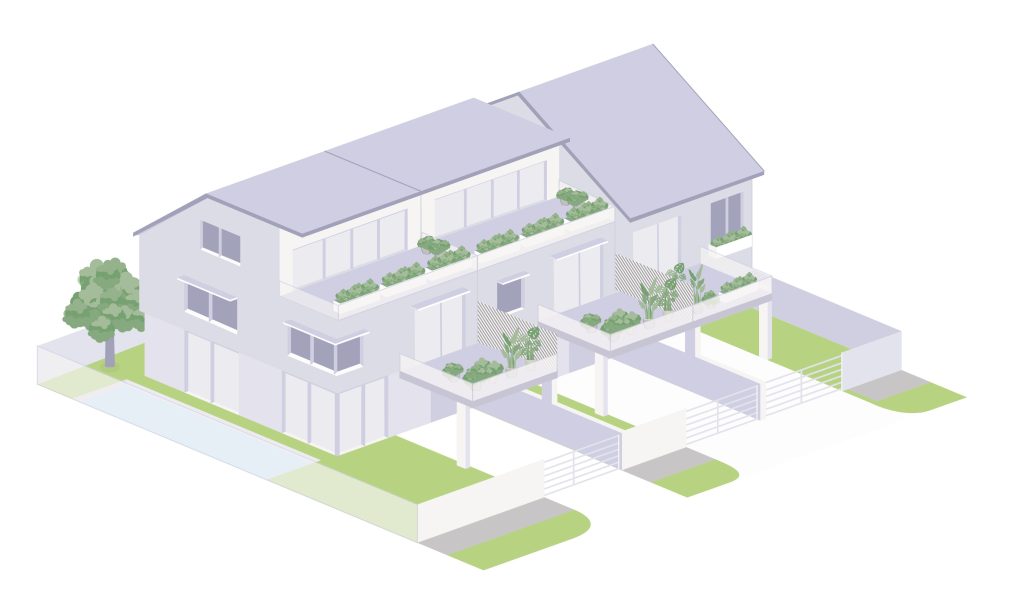
Terrace houses, also known as row houses, are a series of identical or mirrored homes that share common walls with adjacent units. These homes are typically arranged in a row, with each unit having its own entrance and small outdoor space, such as a garden or backyard.
Key Features
- Design: Terrace houses are usually two to three stories tall, with a standard layout that includes living areas on the ground floor and bedrooms on the upper floors.
- Land Area: The land area for terrace houses is usually smaller compared to other types of landed properties, making them more affordable.
- Shared Walls: The main characteristic of a terrace house is the shared walls with neighbouring units on both sides, which can limit privacy but also provides a sense of community.
- Affordability: Terrace houses are typically the most affordable type of landed property, making them an attractive option for first-time landed property buyers.
Price Range
- Prices for terrace houses in Singapore generally range from S$2 million to S$10 million, depending on the location, size, and age of the property.
Pros and Cons
- Pros:
- More affordable compared to other landed property types.
- Often located in established neighbourhoods with amenities and good transport links.
- Cons:
- Limited privacy due to shared walls.
- Smaller land area and less potential for expansion.
Semi-Detached Houses
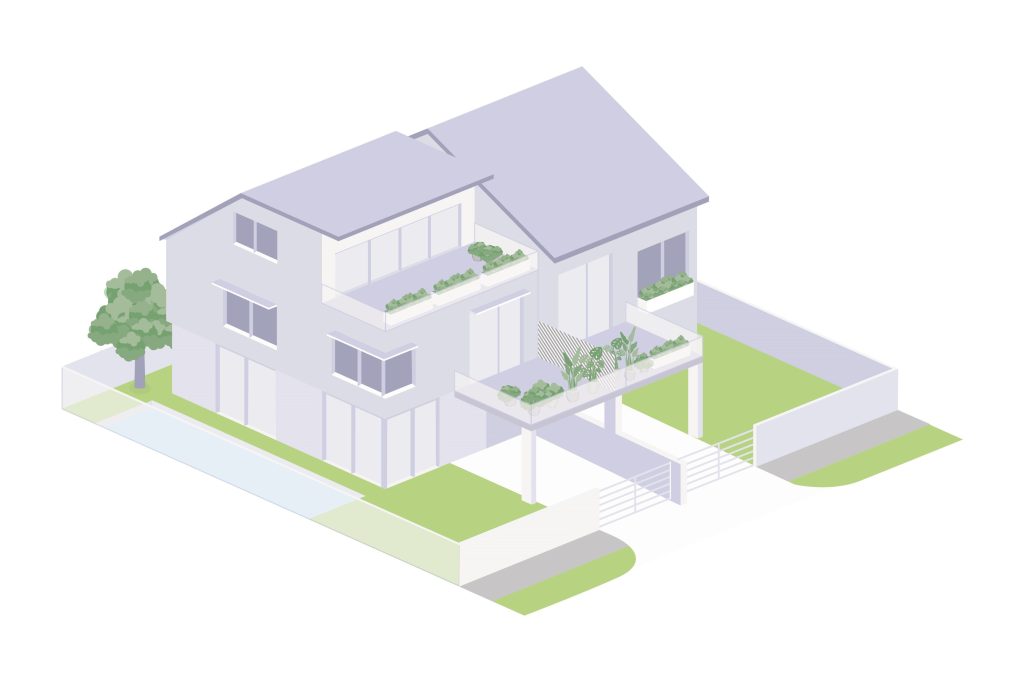
A semi-detached house, commonly referred to as a semi-D, is a pair of houses that share a common wall, with each unit occupying one side of the pair. This type of property offers more space and privacy than a terrace house while still being more affordable than a fully detached house.
Key Features
- Design: Semi-detached houses are often two to three stories high, with a layout that includes larger living spaces, and more bedrooms compared to terrace houses.
- Land Area: Semi-Ds generally have larger land areas than terrace houses, offering more outdoor space and the potential for future extensions.
- Shared Wall: Each semi-detached house shares one wall with its neighbouring unit, offering more privacy than a terrace house.
- Popularity: Semi-detached houses are popular among families looking for a balance between space, privacy, and cost.
Price Range
- The price of semi-detached houses in Singapore typically ranges from S$3 million to S$15 million.
Pros and Cons
- Pros:
- More space and privacy than terrace houses.
- Potential for property appreciation due to larger land area.
- Cons:
- Higher cost compared to terrace houses.
- Maintenance responsibilities are similar to those of a detached house.
Detached Houses (Bungalows)
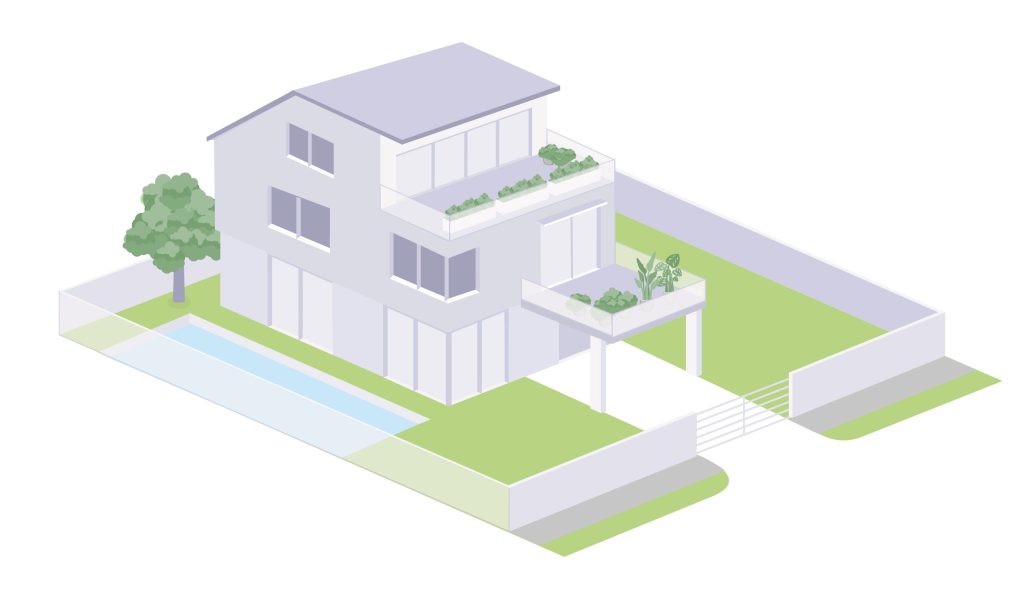
A detached house, often referred to as a bungalow in Singapore, is a standalone home that does not share any walls with neighboring properties. This type of landed property offers the highest level of privacy and space.
Key Features
- Design: Bungalows can vary significantly in design, ranging from single-story to multi-story homes. They often feature large gardens, spacious interiors, and custom architectural designs.
- Land Area: Detached houses typically have the largest land areas among standard landed property types, offering extensive outdoor spaces.
- Privacy: As standalone units, bungalows provide complete privacy, making them a popular choice for those seeking an exclusive living environment.
- Customisation: Owners of detached houses have the freedom to renovate, expand, or even rebuild their homes (subject to URA guidelines).
Price Range
- Detached houses can exceed S$100 million for prime properties, particularly those located in Good Class Bungalow areas.
Pros and Cons
- Pros:
- Highest level of privacy and space.
- Significant potential for customisation and redevelopment.
- Strong capital appreciation potential.
- Cons:
- High cost, both in terms of purchase price and ongoing maintenance.
- Large land area requires significant upkeep.
Good Class Bungalows (GCBs)
Good Class Bungalows represent the pinnacle of luxury landed living in Singapore. These exclusive properties are subject to stringent planning guidelines and are located in designated GCB areas, making them the most prestigious type of residential property in the country
Key Features
- Design: GCBs are characterized by their large land plots, typically exceeding 1,400 square meters, and expansive, well-manicured gardens. These homes are often architecturally unique, with custom designs that reflect the owner’s tastes and status.
- Exclusivity: There are only about 2,800 GCBs in Singapore, making them highly sought after. They are often located in prime residential districts such as Bukit Timah, Holland, and Nassim.
- Regulations: GCBs are subject to strict regulations regarding building height, plot ratio, and land use, ensuring that their exclusivity and character are maintained.
- High Net-Worth Appeal: GCBs are typically owned by Singapore’s wealthiest individuals, including prominent business figures and expatriates.
Price Range
- The price of a Good Class Bungalow starts at around S$20 million and can exceed S$100 million for properties in the most desirable locations.
Pros and Cons
- Pros:
- Ultimate status symbol in Singapore’s property market.
- Large land area offers exceptional privacy and space.
- Strong potential for long-term capital appreciation.
- Cons:
- Extremely high cost, accessible only to a select few.
- Subject to stringent planning and renovation regulations.
Urban Redevelopment Authority (URA) Definitions

The Urban Redevelopment Authority (URA) in Singapore has established specific guidelines that define what qualifies as a terrace, semi-detached, Bungalow house. These guidelines outline the structural requirements, such as the minimum plot size, width, building setbacks, and compliance with storey height and envelope control regulations, ensuring that terrace houses adhere to the urban planning standards set by the URA.
Visit URA website for more detailed information.
Conclusion
Understanding the different types of landed houses in Singapore is essential for making an informed decision when entering this prestigious segment of the property market. Whether you’re drawn to the communal living of a cluster house, the privacy of a detached bungalow, or the historic charm of a shophouse, each type of landed property offers unique benefits and challenges.